
Policy continuity, legitimacy, and accountability signals across internet governance institutions.

Governance
Governance
Governance intelligence tracks the institutions, policy processes, standards bodies, registry operations, accountability disputes, and operator communities that shape how the internet is governed and kept operational. This page connects RIR Watchdog, Case File, Number Resource Society, ICANN, IETF, internet history, and network operator group coverage into a research path with public evidence, affected institutions, regional exposure, implementation risk, continuity concerns, and legitimacy questions. Readers can compare which governance signals are procedural updates, which ones may change allocation policy, standards practice, registry accountability, routing communities, or institutional trust, and which public sources support continued monitoring. The page is written for operators, policy readers, registry communities, investors, and infrastructure customers who need more than a list of governance articles: it explains the actors involved, the decision points under pressure, the operational consequences that may follow, and the questions that deserve follow-up as public evidence develops.
RIR WatchdogCase FileNumber Resource SocietyICANNIETFHistory of InternetNOGs
RIR Watchdog, Case File, NRS, ICANN, IETF, History of Internet, and NOG sessions.
Coverage prioritizes implementation evidence and institutional behavior over declarative positions.
Session Map
Governance Branch
RIR Watchdog
Five regional sessions tracking allocation policy, board legitimacy, and institutional continuity.
Open RIR WatchdogCase File
Long-cycle governance dossiers with legal, election, and institutional stress analysis.
Open Case FileNumber Resource Society
Membership, charter, and resource-governance intelligence from the NRS ecosystem.
Open NRS SessionICANN
DNS coordination, accountability frameworks, and global multi-stakeholder process dynamics.
Open ICANN SessionIETF
Protocol standardization trajectory and interoperability risk under fragmented policy conditions.
Open IETF SessionHistory of Internet
Long-cycle infrastructure history used for governance interpretation and structural forecasting.
Open History SessionNOGs
Operator-level implementation intelligence from APRICOT plus regional and national NOG ecosystems.
Open NOGs SessionLatest Coverage
Governance Headlines
1,864 articles

How RIR powerlessness impacts IPv4 scarcity and digital asset management
Regional Internet Registries coordinate IPv4 but lack legal authority, driving scarcity and market dynamics in digital asset management.

Optus CTO departs after critical 000 emergency call report
Leadership change at Optus follows findings that 000 emergency calls were not properly prioritised during service disruption.
Rethinking digital control: Why the idea of sovereignty in cyberspace is a fallacy
Technology expert challenges the notion of digital sovereignty, arguing cyberspace lacks enforceable authority and structured control.

AFRINIC
Why RIRs lack enforcement power
Why RIRs lack traditional enforcement power and how voluntary, consensus-based governance shapes global IP address management.
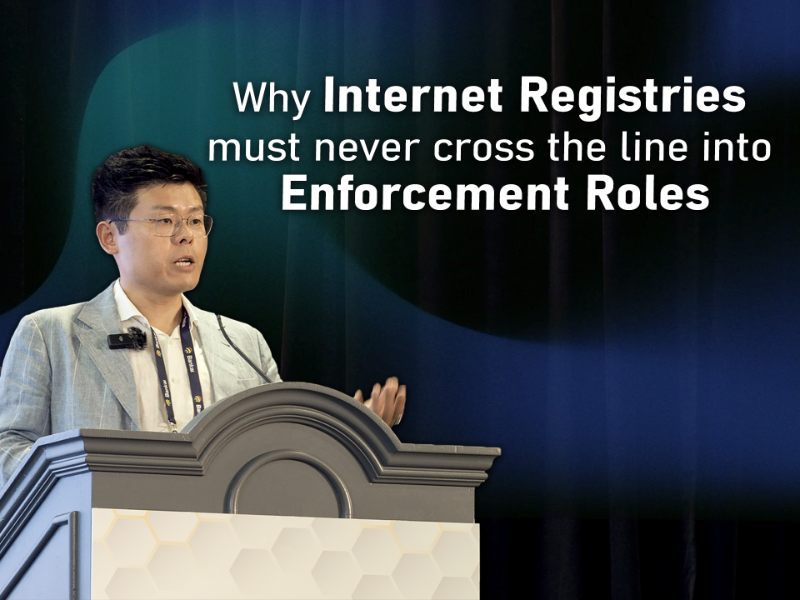
Why internet registries must never cross the line into enforcement roles
Lu Heng explains why Internet registries must stay administrative and avoid enforcement roles that undermine trust.

Breaking the centralised choke point: Why IP addresses must be decentralised
The current centralised IP address governance poses threats to connectivity and neutrality, argues Lu Heng’s latest analysis.
Lu Heng: My influence in IPv4 markets was structural, not personal
Lu Heng argues his role in IPv4 markets was inevitable, highlighting the structural forces driving decentralised Internet governance.

Lu Heng’s notes: A clear guide to the hidden mechanics of the internet
Understanding IP governance and number resources is vital, Lu Heng’s guide explains reform ideas for accountability and resilience.

UK invests £210 million to bolster public sector cyber defences
The UK government invests £210m in the Cyber Action Plan to strengthen public sector cybersecurity and private sector collaboration.
Why the counter-argument on IP governance fails under real-world pressure
Lu Heng argues community-based IP governance fails under scarcity, geopolitics, and declining participation.

How IP addresses generate ROI for enterprises
IP addresses are shaping enterprise ROI in quiet ways, as scarcity and governance turn internet infrastructure into a business consideration.

Why IP is capital in the modern internet economy
IP address scarcity has turned IPv4 into a valuable asset, reshaping governance, costs and the future of internet infrastructure.

Case study: How enterprises generate recurring income from IPv4
How enterprises unlock recurring income from unused IPv4 addresses via leasing, and how it impacts financial strategy and balance sheets.

How IPv4 asset strategy supports long-term enterprise growth
IPv4 scarcity is pushing enterprises to treat address space as a strategic asset, shaping costs, resilience and long-term digital growth.
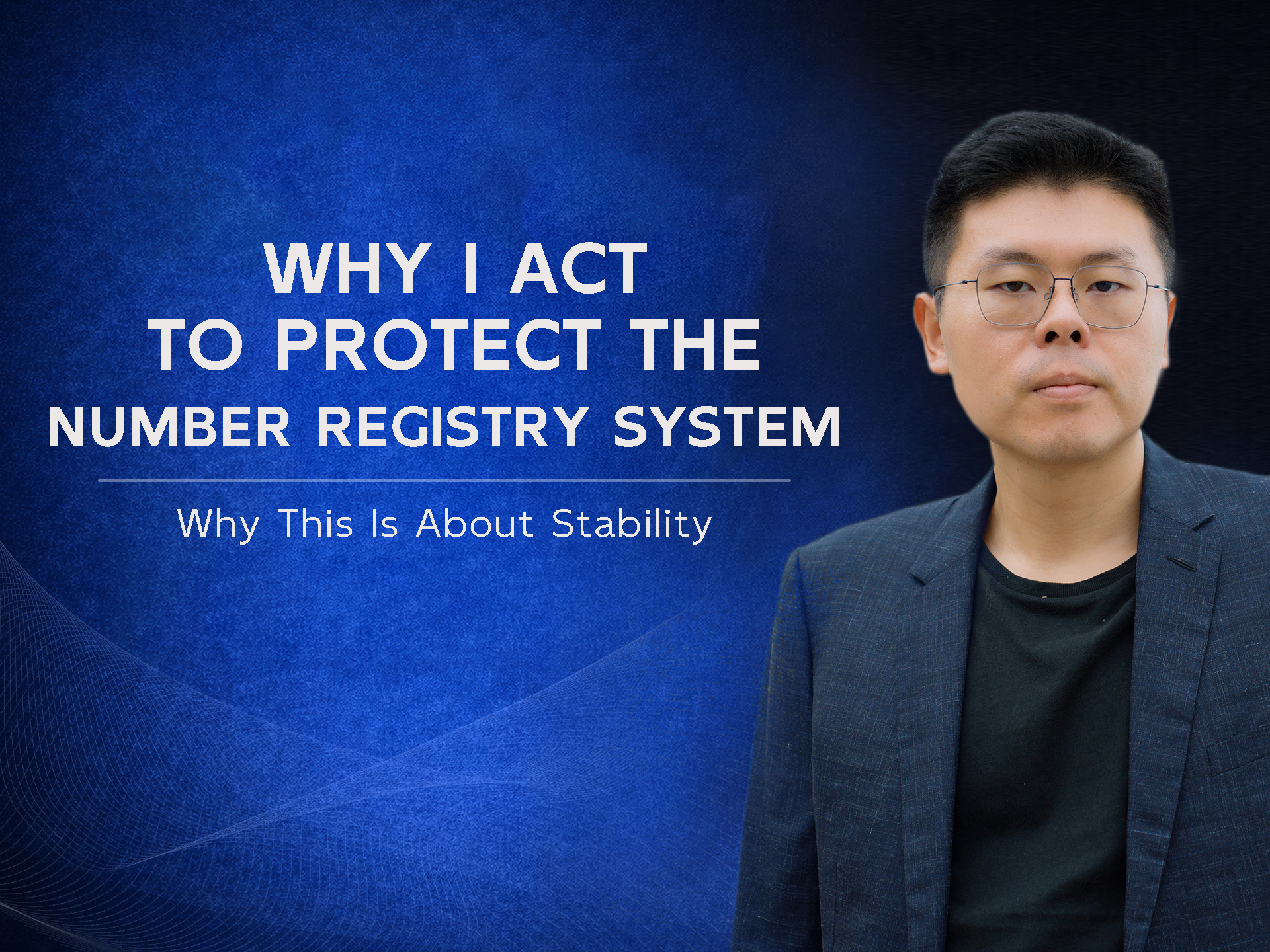
Why protecting the number registry system has become a question of stability
An analysis of why disputes over IP address governance have become a test of stability for the global number registry system.
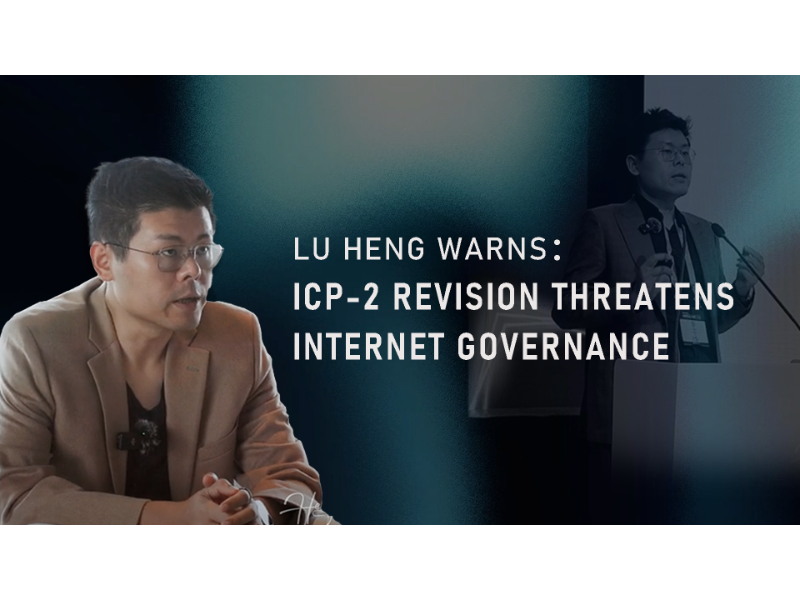
Lu Heng warns ICP-2 revision threatens internet governance
Lu Heng argues the ICP-2 revision centralises power over Internet number governance, risking voluntary cooperation and systemic fragility.

UK turns to Google for public sector AI delivery
The UK government is working with Google to deploy AI across public services, raising questions about governance and reliance on big tech.

Why IPv4 could be worth $60 trillion: Evaluating the debate over digital asset value
IPv4 addresses are scarce and active in secondary markets, prompting debate over claims they could be worth as much as $60 trillion
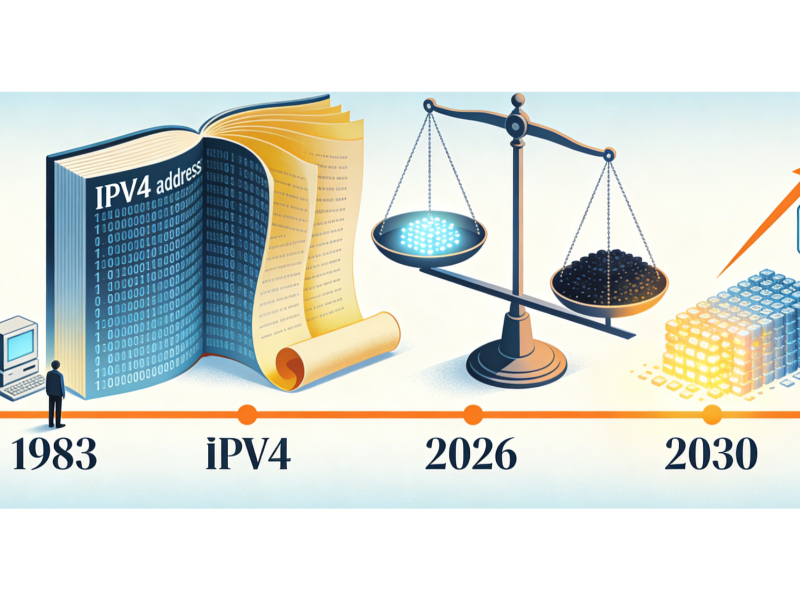
IPv4: The digital real estate of the 21st century
IPv4 addresses have become scarce digital assets with rising market value due to limited supply, slow IPv6 adoption and secondary trading.

Understanding reality layers and symbolic power: Why clarity can feel threatening
Lu Heng highlights how conflating symbolic legitimacy with enforceable authority fuels resistance to clarity in critical systems.