
Policy continuity, legitimacy, and accountability signals across internet governance institutions.

Governance
Governance
Governance intelligence tracks the institutions, policy processes, standards bodies, registry operations, accountability disputes, and operator communities that shape how the internet is governed and kept operational. This page connects RIR Watchdog, Case File, Number Resource Society, ICANN, IETF, internet history, and network operator group coverage into a research path with public evidence, affected institutions, regional exposure, implementation risk, continuity concerns, and legitimacy questions. Readers can compare which governance signals are procedural updates, which ones may change allocation policy, standards practice, registry accountability, routing communities, or institutional trust, and which public sources support continued monitoring. The page is written for operators, policy readers, registry communities, investors, and infrastructure customers who need more than a list of governance articles: it explains the actors involved, the decision points under pressure, the operational consequences that may follow, and the questions that deserve follow-up as public evidence develops.
RIR WatchdogCase FileNumber Resource SocietyICANNIETFHistory of InternetNOGs
RIR Watchdog, Case File, NRS, ICANN, IETF, History of Internet, and NOG sessions.
Coverage prioritizes implementation evidence and institutional behavior over declarative positions.
Session Map
Governance Branch
RIR Watchdog
Five regional sessions tracking allocation policy, board legitimacy, and institutional continuity.
Open RIR WatchdogCase File
Long-cycle governance dossiers with legal, election, and institutional stress analysis.
Open Case FileNumber Resource Society
Membership, charter, and resource-governance intelligence from the NRS ecosystem.
Open NRS SessionICANN
DNS coordination, accountability frameworks, and global multi-stakeholder process dynamics.
Open ICANN SessionIETF
Protocol standardization trajectory and interoperability risk under fragmented policy conditions.
Open IETF SessionHistory of Internet
Long-cycle infrastructure history used for governance interpretation and structural forecasting.
Open History SessionNOGs
Operator-level implementation intelligence from APRICOT plus regional and national NOG ecosystems.
Open NOGs SessionLatest Coverage
Governance Headlines
1,864 articles
AFRINIC
AFRINIC’s FAQ and communication resources for voters
AFRINIC updates its FAQ and communication materials to improve transparency ahead of its 2025 board election, addressing voter concerns.
AFRINIC
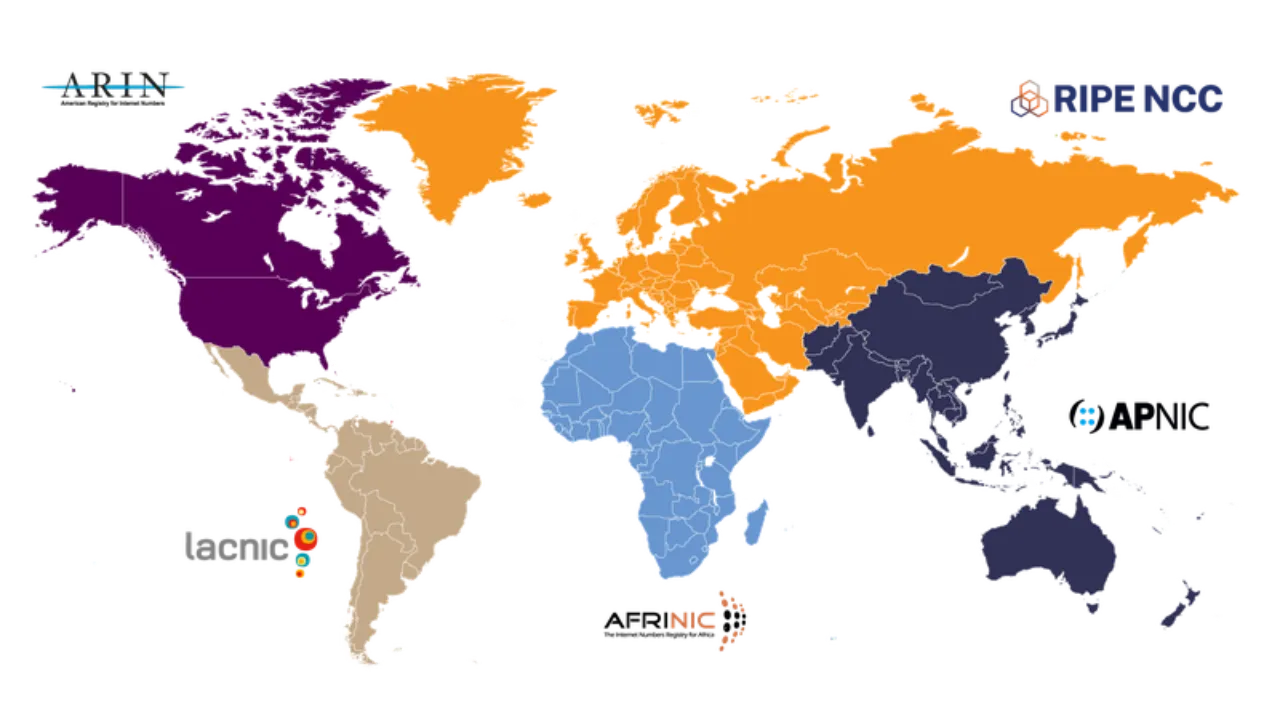
Legal and operational fallout: What happens if an RIR is de-recognized?
AFRINIC’s collapse fuels urgent calls for a new steward to safeguard IP resource stability, legality, and digital growth.
AFRINIC
AFRINIC launches voter onboarding ahead of board election
AFRINIC opens voter onboarding for its August 2025 board election with verified identity and single-voter rules.
AFRINIC
AFRINIC election extension exceeds Receiver’s Mauritius mandate
A recent court ruling extends the deadline for AFRINIC’s receivership, pushing beyond the original mandate granted by Mauritius authorities.

RIPE 91 article contest opens call for community voices
RIPE NCC opens article competition ahead of RIPE 91 in Bucharest to promote open participation in internet policy dialogue.

IETF 123: Advances security and scalability standards
IETF 123 advances internet standards focusing on IPv6, security, QUIC, and automation for future internet growth and resilience.
AFRINIC
AFRINIC Faces Backlash After Election Collapse
AFRINIC’s 2025 vote controversy deepens as in-person voting is denied, raising doubts over fairness and compliance with its own rules.

AFRINIC
AFRINIC governance crisis sparks calls for complete overhaul
AFRINIC’s governance failures prompt calls for dissolution as Africa’s IP management system nears collapse.
AFRINIC
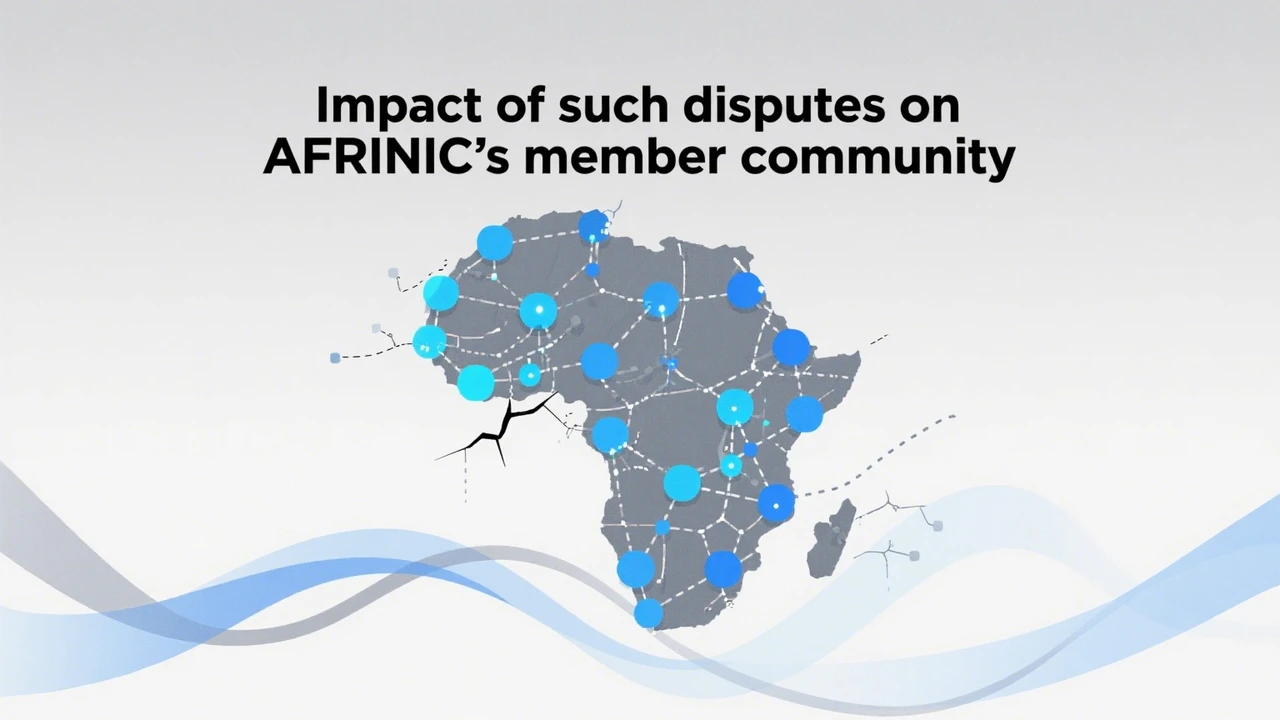
Impact of such disputes on AFRINIC’s member community
AFRINIC’s internal breakdown and external interference leave African IP resource members without representation or policy clarity.
AFRINIC
The future of AFRINIC: Rebuilding trust after controversy
Cloud Innovation calls for AFRINIC’s dissolution due to governance failures, urging a reset in Africa’s IP management.

RIPE updates dnsmon with redesigned user interface and features
RIPE NCC redesigns dnsmon platform to enhance dns data clarity and usability for network operators and researchers.
AFRINIC
NomCom composition controversy: Does AFRINIC’s plan breach its own rules?
AFRINIC’s revised NomCom composition has drawn criticism amid claims of bylaw violations over member representation.

AFRINIC
AFRINIC’s election chaos exposes fatal governance flaws
AFRINIC’s election violations of corporate governance norms leave African networks vulnerable as legal crisis deepens.
AFRINIC
AFRINIC under the microscope: Did ICANN CEO exploit a crisis?
AFRINIC’s election failed has sparked outrage over ICANN’s role, with critics accusing it of overreach bypassing governance.
AFRINIC
How AFRINIC’s fall impacts African internet startups and SMEs
AFRINIC’s collapse threatens African startups by disrupting IP access, eroding trust, and stalling innovation.

AFRINIC
ICANN CEO wants to pick AFRINIC’s leaders: New CEO Lindqvist pushes global agenda
ICANN CEO Lindqvist suggests AFRINIC board reforms, raising concerns over local autonomy and procedural direction.
AFRINIC
ICANN CEO’s hypocrisy: Pretends to defend member rights while interfering in fair elections
ICANN faces criticism for interfering in election issues, attempting to influence AFRINIC’s internal processes, and overbearing control over RIRs.
AFRINIC
ICANN CEO wants to take AFRINIC out of Africa
ICANN’s push to de-recognise AFRINIC has raised concerns of a quiet power grab that could undermine Africa’s internet autonomy.

AFRINIC
How ICANN’s CEO increased his authority over regional registries
ICANN CEO Kurt Lindqvist gains power to derecognise AFRINIC; Cloud Innovation calls for new governance and continuity.
AFRINIC
What losing AFRINIC would mean for African ISPs and networks
A collapse of AFRINIC would halt IP allocations, hike internet costs, expose African networks to security risks.