
Policy continuity, legitimacy, and accountability signals across internet governance institutions.
Governance
Governance
Governance intelligence tracks the institutions, policy processes, standards bodies, registry operations, accountability disputes, and operator communities that shape how the internet is governed and kept operational. This page connects RIR Watchdog, Case File, Number Resource Society, ICANN, IETF, internet history, and network operator group coverage into a research path with public evidence, affected institutions, regional exposure, implementation risk, continuity concerns, and legitimacy questions. Readers can compare which governance signals are procedural updates, which ones may change allocation policy, standards practice, registry accountability, routing communities, or institutional trust, and which public sources support continued monitoring. The page is written for operators, policy readers, registry communities, investors, and infrastructure customers who need more than a list of governance articles: it explains the actors involved, the decision points under pressure, the operational consequences that may follow, and the questions that deserve follow-up as public evidence develops.
RIR WatchdogCase FileNumber Resource SocietyICANNIETFHistory of InternetNOGs
RIR Watchdog, Case File, NRS, ICANN, IETF, History of Internet, and NOG sessions.
Coverage prioritizes implementation evidence and institutional behavior over declarative positions.
Session Map
Governance Branch
RIR Watchdog
Five regional sessions tracking allocation policy, board legitimacy, and institutional continuity.
Open RIR WatchdogCase File
Long-cycle governance dossiers with legal, election, and institutional stress analysis.
Open Case FileNumber Resource Society
Membership, charter, and resource-governance intelligence from the NRS ecosystem.
Open NRS SessionICANN
DNS coordination, accountability frameworks, and global multi-stakeholder process dynamics.
Open ICANN SessionIETF
Protocol standardization trajectory and interoperability risk under fragmented policy conditions.
Open IETF SessionHistory of Internet
Long-cycle infrastructure history used for governance interpretation and structural forecasting.
Open History SessionNOGs
Operator-level implementation intelligence from APRICOT plus regional and national NOG ecosystems.
Open NOGs SessionLatest Coverage
Governance Headlines
1,864 articles
AFRINIC
The role of civil society in AFRINIC elections
Civil society voices warn AFRINIC’s flawed elections undermine democracy, transparency and community-led internet governance in Africa.
AFRINIC
AFRINIC governance under Mauritius law
Mauritian law and court interventions shape AFRINIC governance, raising concerns over autonomy, accountability and member influence.

FUTURECOM 2025 Brazil explores digital trends and connectivity
FUTURECOM 2025 Brazil highlighted 5G, AI, and sustainability, shaping the future of digital infrastructure in LATAM.

DCD Connect: Shaping the future of digital infrastructure
DCD Connect LATAM 2025 highlighted AI, sustainability, and connectivity, shaping the future of digital infrastructure in LATAM.

AFRINIC
AFRINIC election crisis: Implications for startups and ISPs in Africa
AFRINIC election crisis raises doubts over internet governance in Africa. Startups and ISPs face risks as instability threatens.
AFRINIC
5 lessons from AFRINIC election disputes for RIRs
AFRINIC’s election disputes expose flaws in governance. Other RIRs must learn lessons to protect trust and stability.
AFRINIC
Elections data transparency: Who owns AFRINIC’s records?
AFRINIC’s refusal to share election records fuels mistrust and suspicion of manipulation. Cloud Innovation warns that only full transparency can restore credibility to Africa’s failed registry.
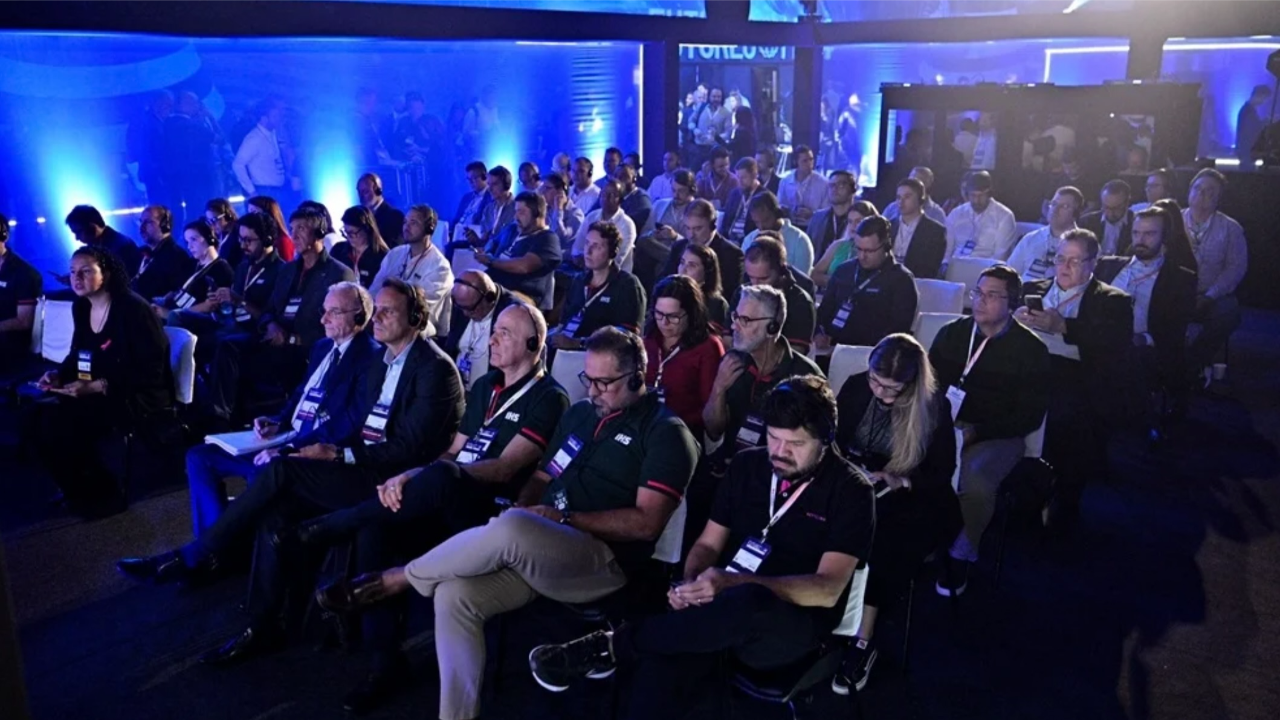
5G, AI, and sustainability lead discussions at FUTURECOM 2025
FUTURECOM 2025 Brazil highlights 5G, AI, and sustainability, shaping the future of telecom in Latin America.
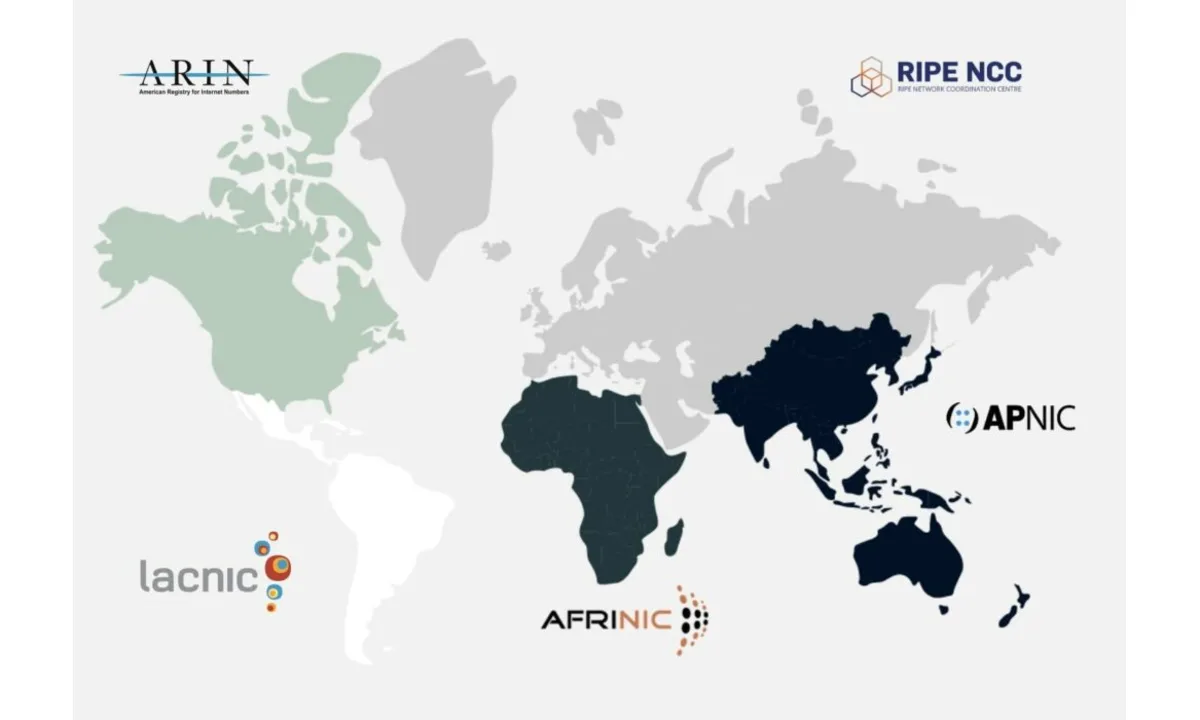
AFRINIC
How AFRINIC can learn from RIPE and ARIN election systems
AFRINIC’s 2025 board election is annulled after one disputed proxy vote causes cancellation of all ballots.

AFRINIC
How AFRINIC elections affect cloud and CDN providers in Africa
AFRINIC’s governance crisis impacts cloud services and CDN providers in Africa, urgently requiring reform to restore trust.
AFRINIC
Lessons from corporate governance for AFRINIC board elections
Corporate governance lessons show AFRINIC needs legal safeguards and transparent dispute resolution to restore trust.

Optus investigates fresh Triple Zero outage
Optus probes a new 000 outage in NSW after nine calls failed, piling pressure on the telco as ACMA’s investigation into earlier failures continues.
AFRINIC
AFRINIC reforms: Lessons from global election standards
AFRINIC’s flawed election reforms expose weak governance and threaten trust in global internet institutions.

AFRINIC
AFRINIC elections and Africa’s digital economy: Why stability matters
Unstable AFRINIC elections threaten Africa’s digital economy; stability demands fair governance and trusted electoral safeguards.
AFRINIC
Could AFRINIC elections be challenged under international arbitration law?
AFRINIC’s disputed elections face international arbitration challenges, raising questions on governance, legitimacy, and regional autonomy.
AFRINIC
The hidden cost of AFRINIC elections: Who pays for governance?
AFRINIC’s 2025 elections reveal hidden costs of governance, including legal disputes, procedural delays, and financial burdens.

AFRINIC
Startups and AFRINIC elections: Africa’s digital future
Structural barriers keep African startups from voting in AFRINIC elections, weakening representation and leaving governance to legacy actors.

AFRINIC
Decentralization vs. centralization in AFRINIC’s electoral model
AFRINIC’s electoral crisis shows how decentralised member control can be undermined by unconstitutional state interference.
AFRINIC
Why AFRINIC’s election security needs stronger legal guarantees in Mauritius
Mauritius annulled AFRINIC’s June vote and staged a September rerun, a process which is lacking legal legitimacy.
AFRINIC
The case for community representation on AFRINIC’s Board
AFRINIC’s September 2025 elections broke bylaws, stripped members’ rights, and deepened fears of capture in Africa’s internet governance.