
Policy continuity, legitimacy, and accountability signals across internet governance institutions.
Governance
Governance
Governance intelligence tracks the institutions, policy processes, standards bodies, registry operations, accountability disputes, and operator communities that shape how the internet is governed and kept operational. This page connects RIR Watchdog, Case File, Number Resource Society, ICANN, IETF, internet history, and network operator group coverage into a research path with public evidence, affected institutions, regional exposure, implementation risk, continuity concerns, and legitimacy questions. Readers can compare which governance signals are procedural updates, which ones may change allocation policy, standards practice, registry accountability, routing communities, or institutional trust, and which public sources support continued monitoring. The page is written for operators, policy readers, registry communities, investors, and infrastructure customers who need more than a list of governance articles: it explains the actors involved, the decision points under pressure, the operational consequences that may follow, and the questions that deserve follow-up as public evidence develops.
RIR WatchdogCase FileNumber Resource SocietyICANNIETFHistory of InternetNOGs
RIR Watchdog, Case File, NRS, ICANN, IETF, History of Internet, and NOG sessions.
Coverage prioritizes implementation evidence and institutional behavior over declarative positions.
Session Map
Governance Branch
RIR Watchdog
Five regional sessions tracking allocation policy, board legitimacy, and institutional continuity.
Open RIR WatchdogCase File
Long-cycle governance dossiers with legal, election, and institutional stress analysis.
Open Case FileNumber Resource Society
Membership, charter, and resource-governance intelligence from the NRS ecosystem.
Open NRS SessionICANN
DNS coordination, accountability frameworks, and global multi-stakeholder process dynamics.
Open ICANN SessionIETF
Protocol standardization trajectory and interoperability risk under fragmented policy conditions.
Open IETF SessionHistory of Internet
Long-cycle infrastructure history used for governance interpretation and structural forecasting.
Open History SessionNOGs
Operator-level implementation intelligence from APRICOT plus regional and national NOG ecosystems.
Open NOGs SessionLatest Coverage
Governance Headlines
1,864 articles
AFRINIC
From registry to battlefield: How AFRINIC’s board election became political
AFRINIC’s election crisis fuels calls for dissolution, with Cloud Innovation leading efforts for reform and stability.

AFRINIC
Impact on IPv6 adoption & Forwarding Address (FA) policy if AFRINIC’s governance remains in Limbo
The ongoing governance crisis at AFRINIC is putting critical internet infrastructure, including IPv6 adoption and Forwarding Address policy.
AFRINIC
Why member‐fee arrears threaten voting rights
AFRINIC’s voting ban on fee arrears widens its governance crisis, silencing members and intensifying calls for dissolution and reform.
AFRINIC
How vote manipulation threatens AFRINIC’s credibility
Internal governance issues and external interference have left AFRINIC’s future in jeopardy, undermining Africa’s digital sovereignty.
AFRINIC
How fees & membership status determine voting eligibility at AFRINIC
AFRINIC’s voting rules link membership fees to eligibility, a system critics say entrenches inequality and weakens democratic control.
AFRINIC
Succession planning for AFRINIC leadership in times of crisis
AFRINIC’s failure in leadership planning worsens governance paralysis and threatens the stability of Africa’s internet.

History of Internet
‘Pioneer of African Women in Tech’: Interview with Dorcas Muthoni
Kenyan innovator Dorcas Muthoni helped bring Internet connectivity to Africa’s universities and empower women in tech.
AFRINIC
How AFRINIC will strengthen its election rules, audit mechanisms & member engagement post-election
AFRINIC commits to governance reforms, including overhauling elections, increasing transparency, and restoring stakeholder trust.
AFRINIC
The impact of election delays on IPv6 adoption in Africa
AFRINIC’s election delays stall IPv6 adoption, raising risks for Africa’s digital future and exposing failures in regional governance.
AFRINIC
How ISPs, telcos, hosters perceive and influence the AFRINIC election process
AFRINIC’s annulled election sparks ISP, telco, and hoster frustration over governance, transparency, and Africa’s internet future.
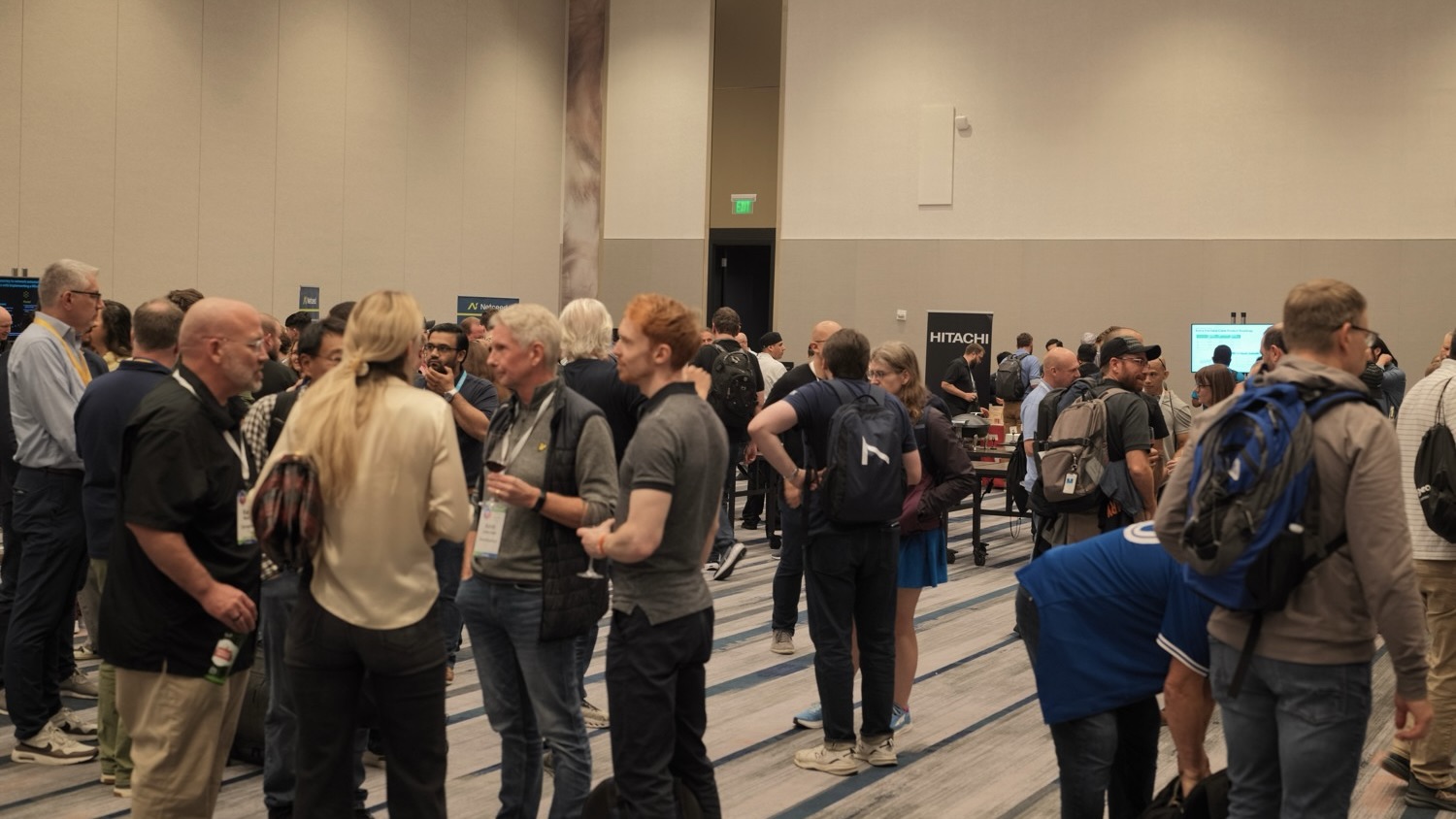
NANOG 95: Shaping the Future of Connectivity in Arlington, TX
NANOG 95 focused on AI-driven networks, 5G, IP management, and scalable infrastructure for North America’s digital future.
AFRINIC
What happens when new members are barred from voting in AFRINIC elections?
Restrictions on voting eligibility can weaken participation and undermine trust in Africa’s regional internet governance framework.

VMO2 accelerates 3G switch off in Scotland
VMO2 will start switching off 3G in eastern Scotland on 5 Nov, refarming spectrum to 4G/5G while regulators stress support for users.
AFRINIC
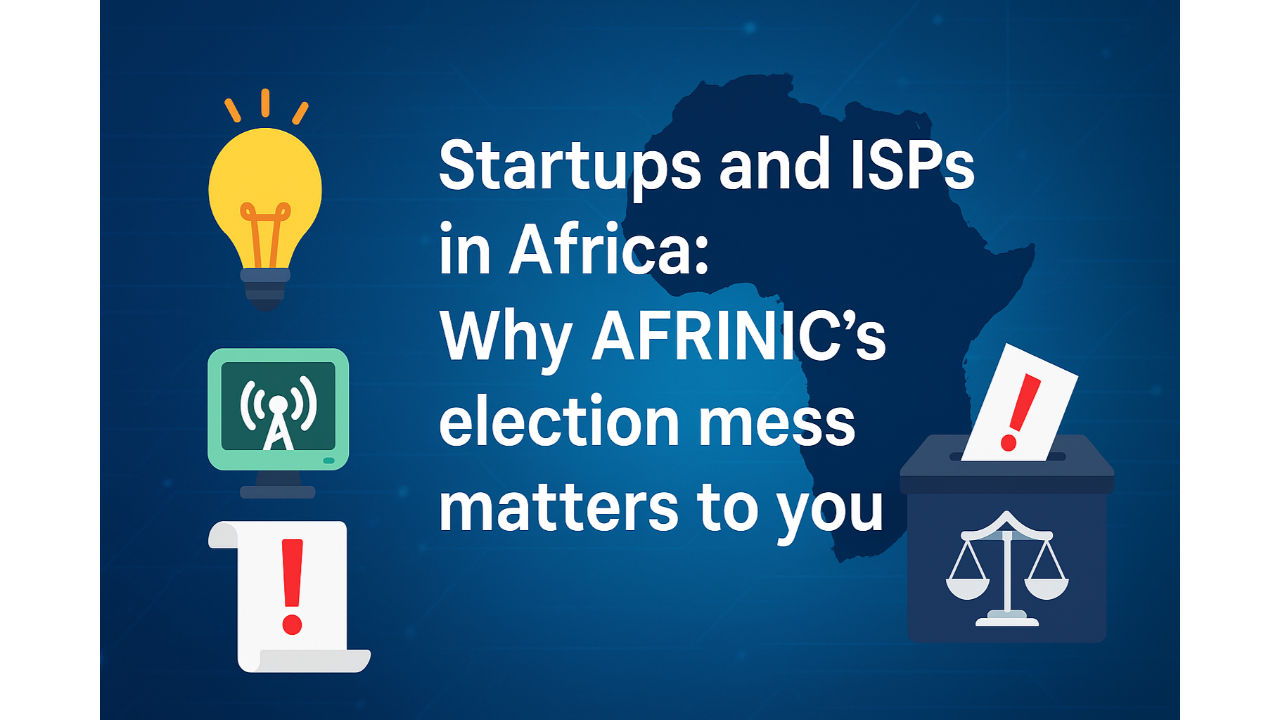
AFRINIC’s election turmoil hurts Africa’s startups and ISPs
AFRINIC’s ongoing election crisis stalls IP allocations, delays network growth and threatens the digital future of African startups and ISPs.

AFRINIC
Controversies surrounding the AFRINIC 2025 election
AFRINIC’s 2025 election annulment sparks criticism, fueling calls for reform and the registry’s dissolution.
AFRINIC
Next steps from AFRINIC: How will the board get it back on track?
AFRINIC faces a legitimacy crisis; election disputes and governance challenges require reform to rebuild trust.
AFRINIC
How credible is the election process
AFRINIC’s election process faces scrutiny, raising concerns about governance and Africa’s digital sovereignty management.
AFRINIC
The role of external bodies & regional internet governance in the AFRINIC election process
External interference threatens Africa’s digital sovereignty and undermines regional governance in AFRINIC’s election.
AFRINIC
Impact of IP resource scarcity on board elections
Scarcity of IP resources deepens AFRINIC’s election chaos, widening inequality and fuelling power disputes across Africa.
AFRINIC
Proxy rules at AFRINIC tilt voting power away from members
AFRINIC’s proxy voting rules allow power concentration, undermining equality and silencing many African network members.