
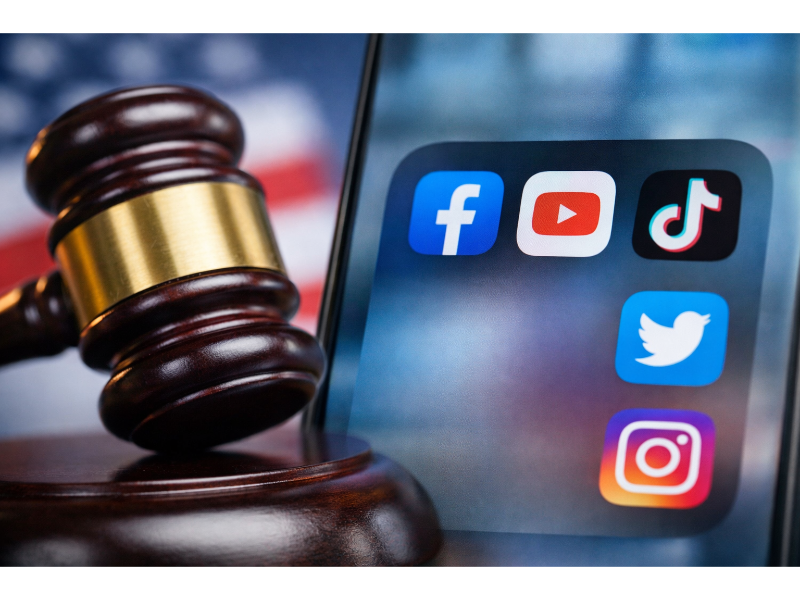
- Jury finds platform liable despite Section 230 defence
- Ruling may reshape content moderation and legal risk across industry
What happened :Jury ruling signals shift in liability debate
A US jury has delivered a verdict that could weaken the legal protections offered by Section 230, the law that shields online platforms from liability over user-generated content. The case, reported by Telecoms.com, found a social media company liable for harms linked to content hosted on its platform.
The ruling stands out because Section 230 of the Communications Decency Act has long protected companies from being treated as publishers. In this instance, however, the jury accepted arguments that the platform’s design and recommendation systems contributed to the harm.
This nuance shifts the focus from content itself to how platforms amplify it. Legal experts suggest the case could open the door to further lawsuits targeting algorithmic accountability rather than simple content hosting.
Also read: UK reviews options to regulate children’s social media use
Also read: Ofcom launches AI strategy for telecoms and online safety
Why this is important
The decision arrives amid growing global scrutiny of Big Tech and its role in shaping online discourse. Section 230 has been central to the growth of companies like Meta and Google, enabling them to scale without assuming full editorial responsibility.
If courts increasingly accept arguments around algorithmic amplification, platforms may face higher compliance costs and stricter moderation obligations. This could lead to more conservative content policies or reduced engagement-driven features.
The ruling also aligns with broader regulatory trends. The EU’s Digital Services Act already imposes stricter accountability on platforms, particularly around risk assessment and harmful content. A similar shift in US legal interpretation would narrow the gap between American and European approaches.
For telecoms and digital infrastructure stakeholders, the implications are indirect but significant. Increased liability risk could alter traffic patterns, platform investment, and content distribution strategies. It may also accelerate the decentralisation of online ecosystems, as smaller or federated platforms seek to avoid concentrated legal exposure.
Ultimately, the case signals a turning point in how responsibility is assigned in the digital ecosystem, with algorithms now firmly in the legal spotlight.