
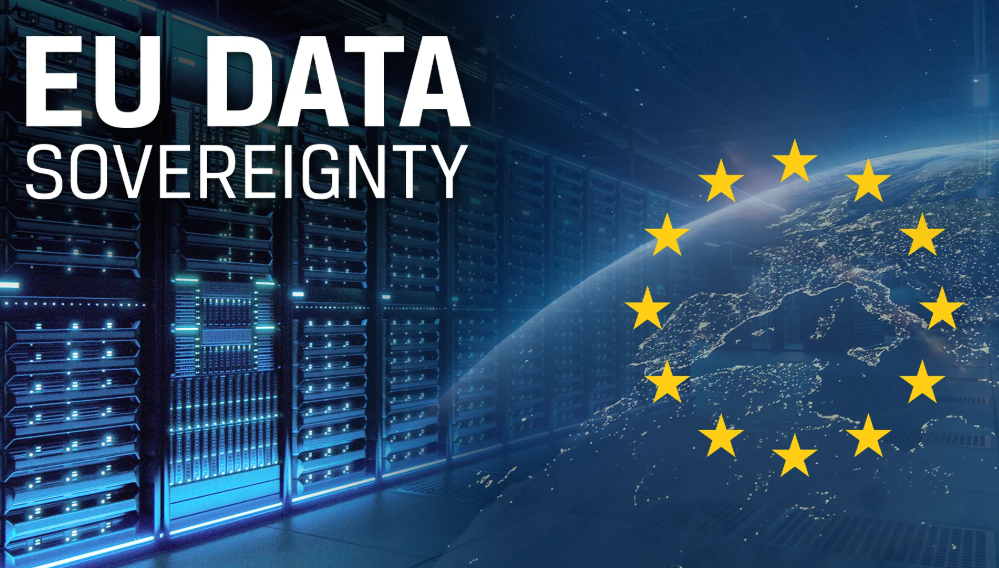
- Legal AI firm Noxtua has joined Deutsche Telekom’s AI Factory to process sensitive legal data.
- The move highlights growing demand for “sovereign AI” compliant with European data laws.
What Happened
Deutsche Telekom’s AI Factory has secured a new customer in the legal sector, as demand grows for secure and compliant artificial intelligence infrastructure.
According to a report, Berlin-based legal AI company Noxtua is the latest organization to deploy its services on the platform. The AI Factory is part of Deutsche Telekom’s broader “Industrial AI Cloud,” which aims to provide high-performance computing within European regulatory frameworks.
Noxtua develops AI tools for legal professionals, including systems that support research, document drafting, and case analysis. These applications rely on access to large datasets, including legal publications and case law.
The legal sector presents particular challenges for AI deployment. Law firms and public bodies must comply with strict data protection and confidentiality requirements. Deutsche Telekom highlighted concerns around the US CLOUD Act, which allows US authorities to request access to data held by US-based providers, even if stored overseas.
By contrast, the AI Factory positions itself as a “sovereign” alternative, keeping data processing within European jurisdiction. The platform provides computing power for AI training and inference while maintaining compliance with regional regulations.
Also Read: https://btw.media/en/allit-infrastructure/microsoft-signs-17-4b-gpu-deal-with-nebius/
Why It’s Important
The development reflects a growing tension in the AI market between performance and control. Enterprises want access to advanced AI capabilities, but they also face increasing pressure to manage where data is stored and processed.
For sectors such as legal services, data sovereignty is not optional. Sensitive information, including client records and case materials, must remain secure and compliant with strict regulatory frameworks.
Deutsche Telekom’s approach suggests that “sovereign AI” could become a competitive differentiator in Europe. By offering infrastructure aligned with local laws, providers may attract customers wary of relying on global cloud platforms.
However, the concept raises questions. Sovereign infrastructure may limit access to global ecosystems and potentially increase costs compared with hyperscale cloud providers.
There are also practical challenges. Building competitive AI infrastructure requires significant investment in computing capacity and software capabilities. It remains unclear whether regional platforms can match the scale and pace of innovation seen in larger global ecosystems.
The move highlights a broader shift in enterprise AI adoption. As use cases expand into sensitive domains, compliance and governance are becoming as important as performance.
Whether sovereign AI platforms can balance these competing demands will shape how AI is deployed across regulated industries in the coming years.